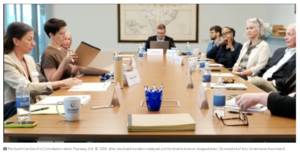
The WeGOJA Foundation’s CadenceSC guide, backed by a $60,000 SC250 grant, will map sites tied to Black South Carolinians in the Revolutionary War.
COLUMBIA, S.C. — An enslaved man named Watt helped Patriots win a 1780 Revolutionary War battle in York County, and a new statewide project wants to lead travelers to the places where stories like his happened.
The project comes as South Carolina commemorates the 250th anniversary of American independence.
The WeGOJA Foundation has received a $60,000 grant from the South Carolina American Revolution Sestercentennial Commission, known as SC250, to research the contributions of Black South Carolinians during the war.
What is CadenceSC?
The research will help lay the groundwork for CadenceSC, a planned digital heritage travel guide that will highlight historical figures, battlefields, plantations, cemeteries and other locations connected to Black participation in the Revolution.
The project’s name is inspired by the role Black drummers played on Revolutionary War battlefields, where drumbeats were used to communicate instructions to soldiers.
“The drummers were the heartbeat of the battlefield,” said Dawn Dawson-House, executive director of the WeGOJA Foundation. “They were the people who knew the cadences for moving forward, for going left, for going right, for retreat.”
Black South Carolinians’ roles in the Revolution
Black South Carolinians served as soldiers, spies, watermen who helped navigate coastal waterways, market women, drummers and in other supporting roles. Both free and enslaved people participated, with some supporting the Patriots and others siding with the British, who offered freedom to enslaved people who joined their cause.
The WeGOJA Foundation, a statewide nonprofit focused on preserving African American history, has previously developed the Green Book of South Carolina, a heritage tourism guide highlighting African American historic sites across the state.
CadenceSC would build on that work by focusing specifically on the Revolutionary War.
Heather Hawkins, grants manager for SC250, said the commission has made telling a more complete history of the Revolution a priority as the country marks its 250th anniversary.
“From the very beginning, one of their goals was to tell a more complete story. And so with our grant program that we have, we have definitely looked at and tried to engage some communities that feel like it’s not for us. You know, it’s not our story. And that’s not true,” Hawkins said.
Hawkins said Black South Carolinians made up a significant part of the state’s population during the Revolutionary era, yet their experiences have not always received the same attention as other historical figures.
She said researchers have identified more than 100 free men of color who fought during the war and later sought pensions for their service.
Watt and the Battle of Huck’s Defeat
One of the stories WeGOJA researchers are highlighting is that of Watt, an enslaved man at Historic Brattonsville in York County.
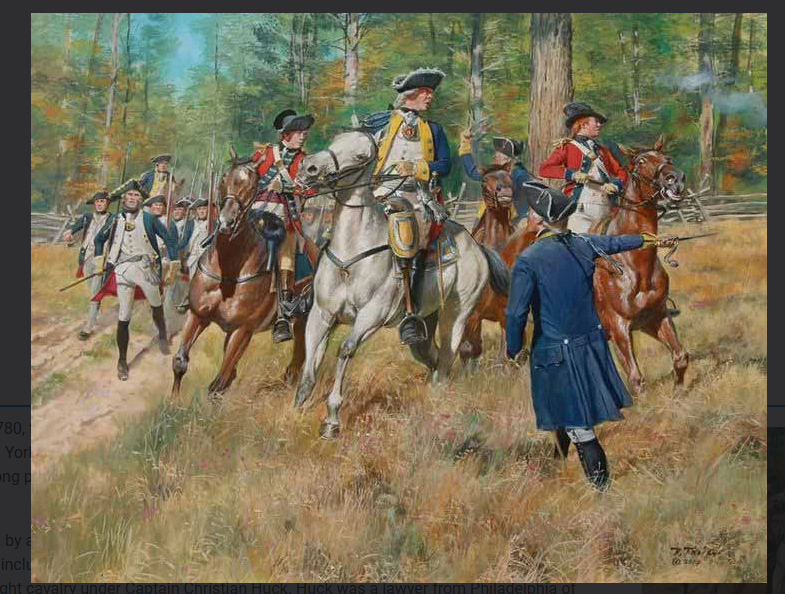
In July 1780, Watt was sent to warn plantation owner William Bratton about approaching British troops. His warning helped Patriot forces prepare an attack that resulted in a victory at the Battle of Huck’s Defeat, also known as the Battle of Williamson’s Plantation.
Watt and his wife, Polly, who was also enslaved, are commemorated at Historic Brattonsville’s Enslaved Ancestral Burying Ground. Their burial site and the historical markers explaining their story are among the places the foundation plans to feature in its guide.
Dawson-House said uncovering stories like Watt’s requires extensive research because many of the experiences of enslaved and free Black people were never formally documented.
Researchers are examining pension applications, wills, estate records, historical archives and exhibits at museums and Revolutionary War sites across South Carolina.
When CadenceSC will launch
Once developed, CadenceSC is expected to bring that information together in one place, allowing visitors to explore historical narratives, view photographs and follow suggested travel routes to important locations.
“We will tell the story, give it the historic significance. We will provide GPS directions to precisely the site that you can see that history,” Dawson-House said.
Although commonly described as an app, CadenceSC is being designed as a website-based travel guide that users will be able to add to their phones for an app-like experience.
How to share your family’s history
The WeGOJA Foundation is also asking the public to contribute information that could help researchers identify additional stories.
Anyone with family histories, documents, research or other information about Black South Carolinians during the Revolutionary War is encouraged to contact the organization at [email protected].
The foundation said it is accepting information and research from all possible sources.
–wltx.com